
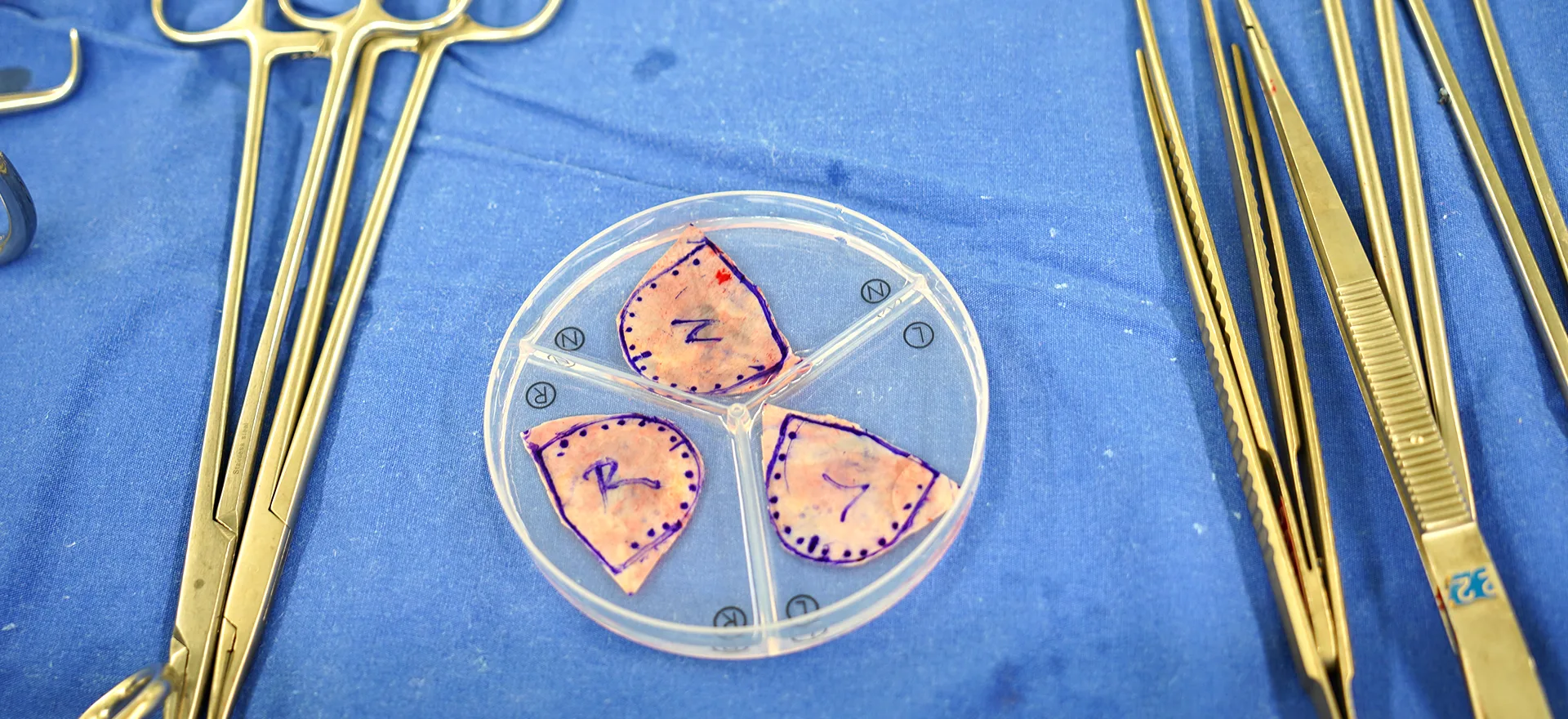
Ozaki surgery is a method of creating custom-made aortic valves. Read on if you’re curious how it’s done.
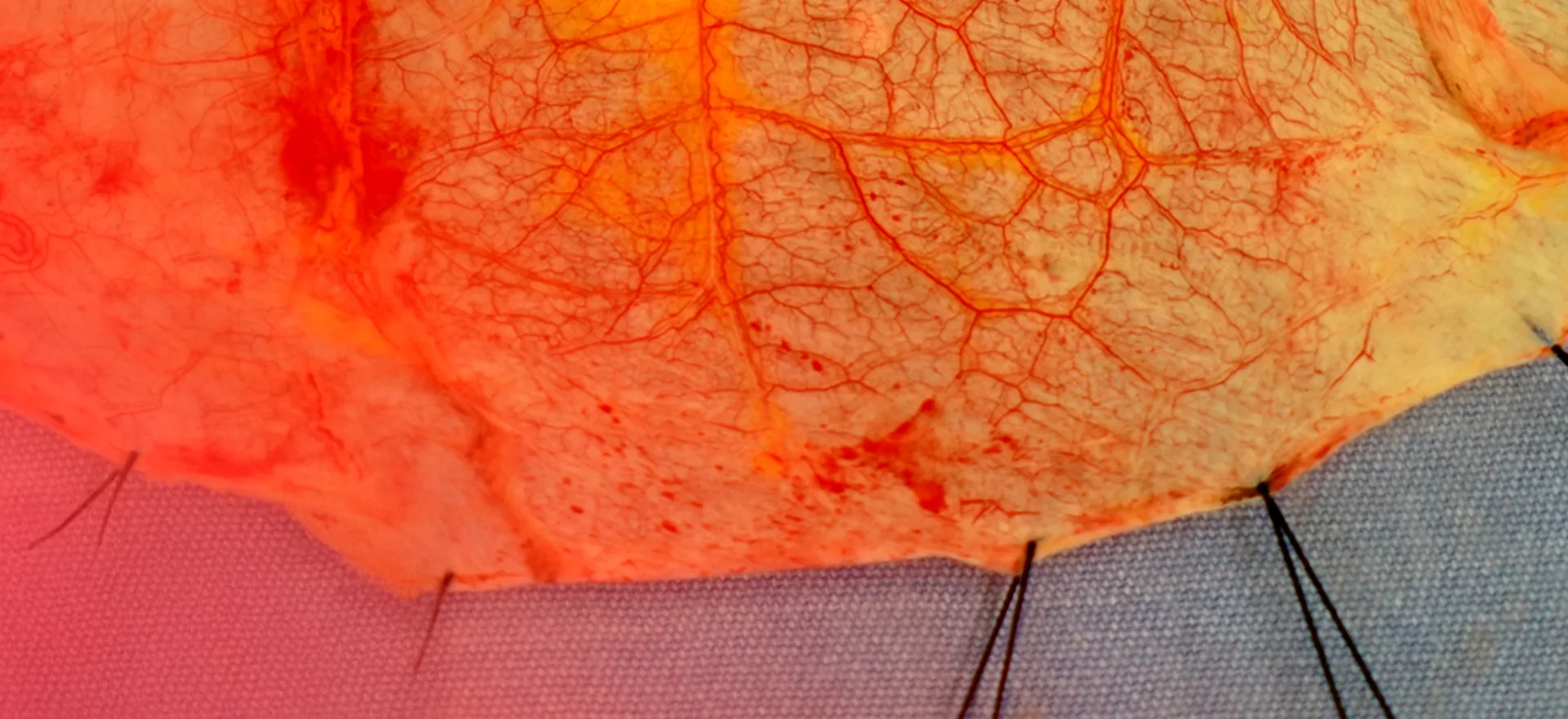
Underarm (Minimally Invasive) Ozaki Procedure
Aortic valve diseases can be treated with a minimally invasive approach using the Ozaki Procedure. Discover the details.
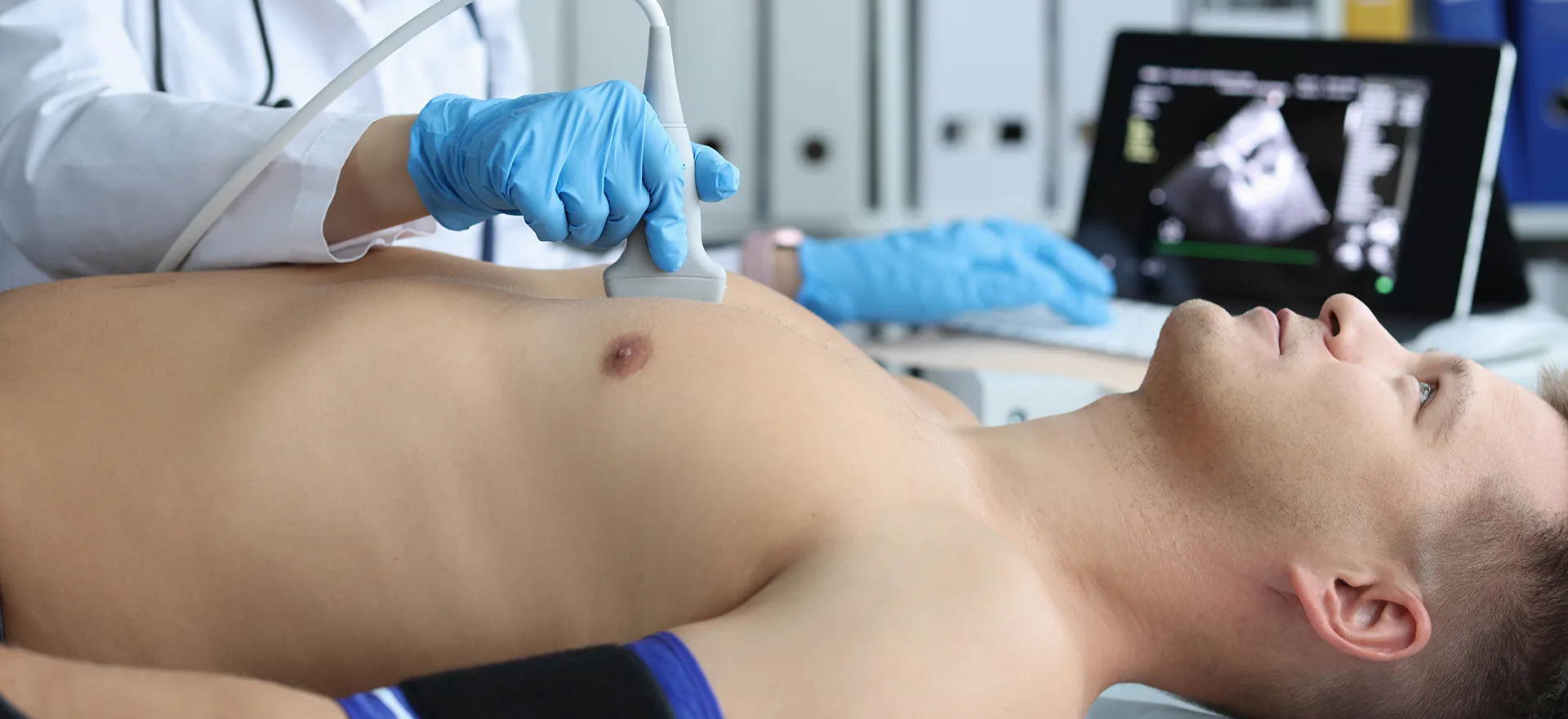
The Valve Used İn The Ozaki Procedure İs Referred To As A “Natural Aortic Valve.” What İs The Reason For This Designation?
Learn about the Ozaki Procedure and its innovative approach to aortic valve surgery using natural tissue from the patient.
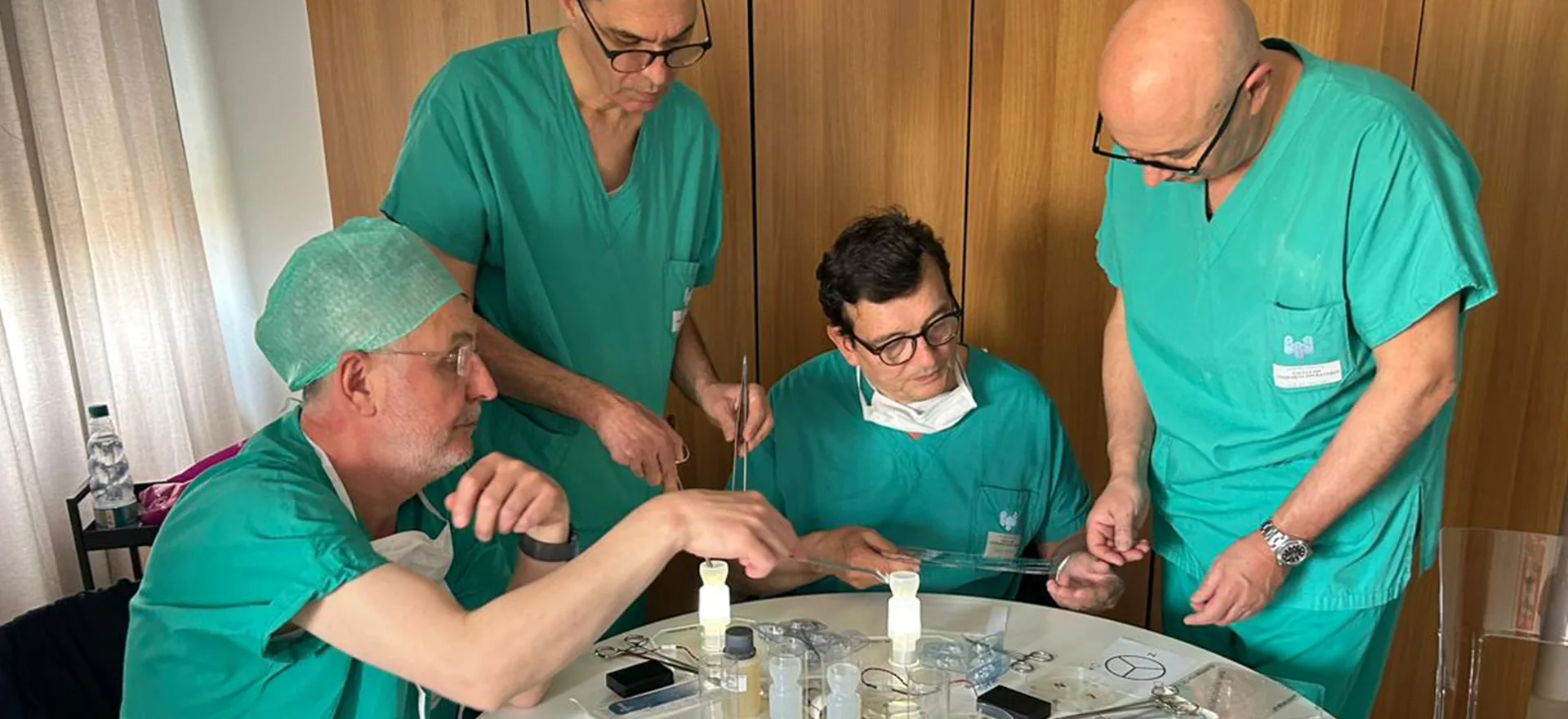
How Many Years Has The Ozaki Procedure Been Performed Worldwide And İn Turkey?
The Ozaki Procedure, which uses the patient’s own tissue, offers a revolutionary approach to aortic valve disease.

How Can Pulse Wave Velocity (Cfpwv) Be Reduced?
To reduce Pulse-Wave velocity (cfPWV), steps should be taken such as regular exercise and weight training, creating a healthy diet program, and regulating blood pressure/sugar with medical treatments.
What Risks Do Individuals with High Pulse Wave Velocity (cfPWV) Face?
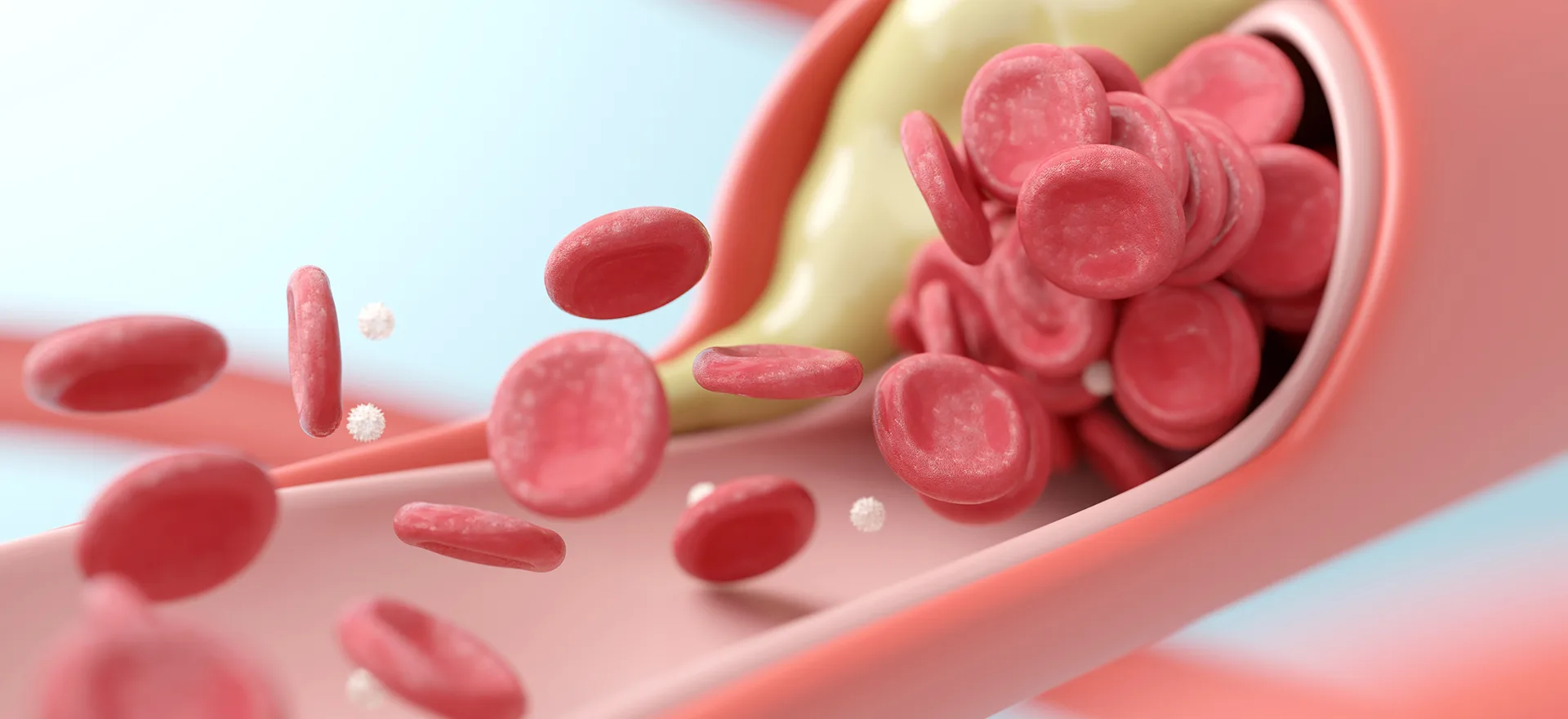
Pulse wave velocity is a measure of the stiffness of arteries and the elasticity of artery walls. Elevated pulse wave velocity, an important tool for monitoring cardiovascular health, may pose certain potential risks. These risks include:

The Relationship Between Pulse Wave Velocity (Cfpwv) And Sudden Events Related To The Cardiovascular System.
Pulse-Wave Velocity (cfPWV) provides important information about the risk of heart attack and stroke as it is an indicator of arterial stiffness.
What is Pulse Wave Velocity (cfPWV) and Why is it Important?
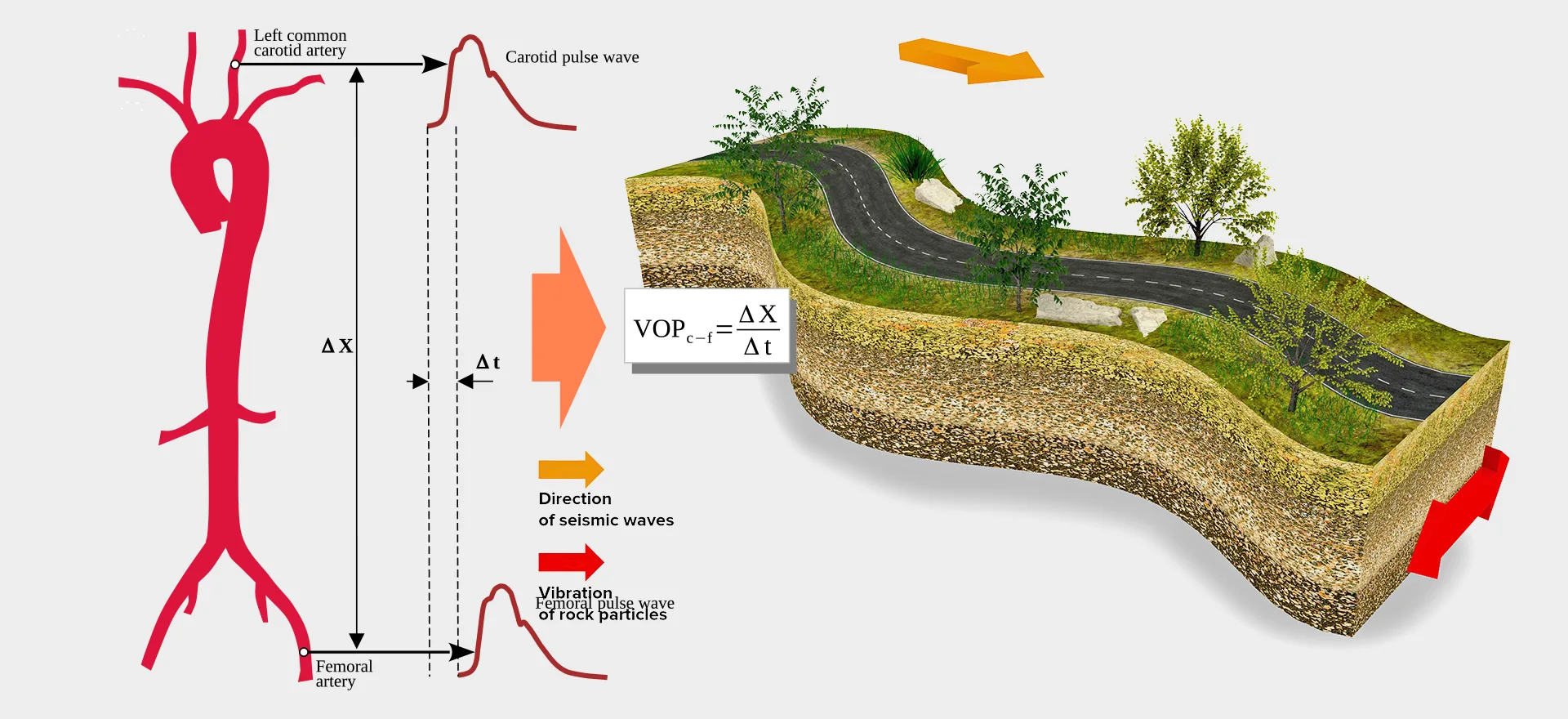
Pulse wave velocity (cfPWV) is an abbreviation for “carotid-femoral pulse wave velocity.” Pulse wave velocity is a parameter that helps measure the stiffness level of blood vessels and the elasticity of large blood vessels in the body.