
Points to Consider in the Treatment of Varicose Veins
Important Considerations in Varicose Vein TreatmentAs specialists in cardiovascular surgery, we aim to provide our patients with the most accurate…








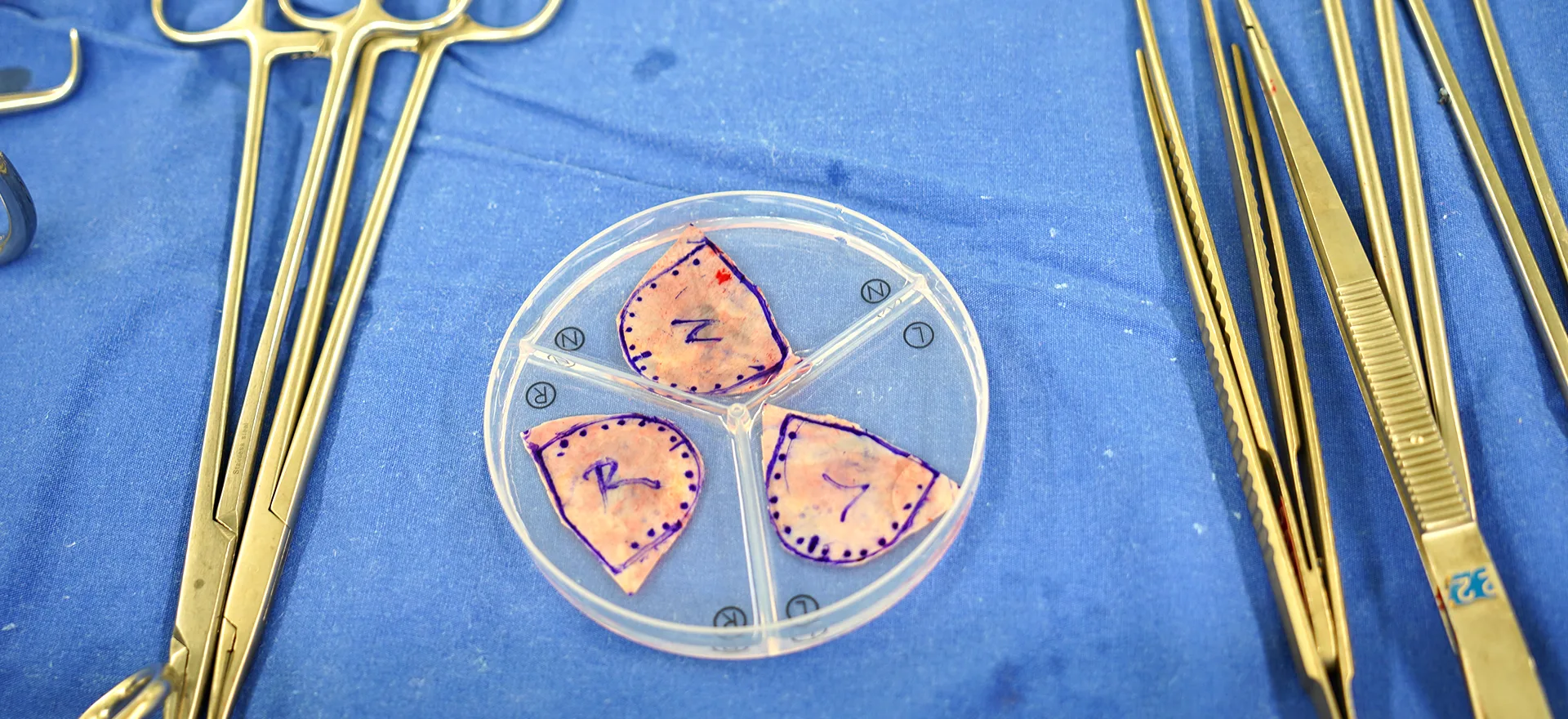
Ozaki surgery is a method of creating custom-made aortic valves. Read on if you’re curious how it’s done.
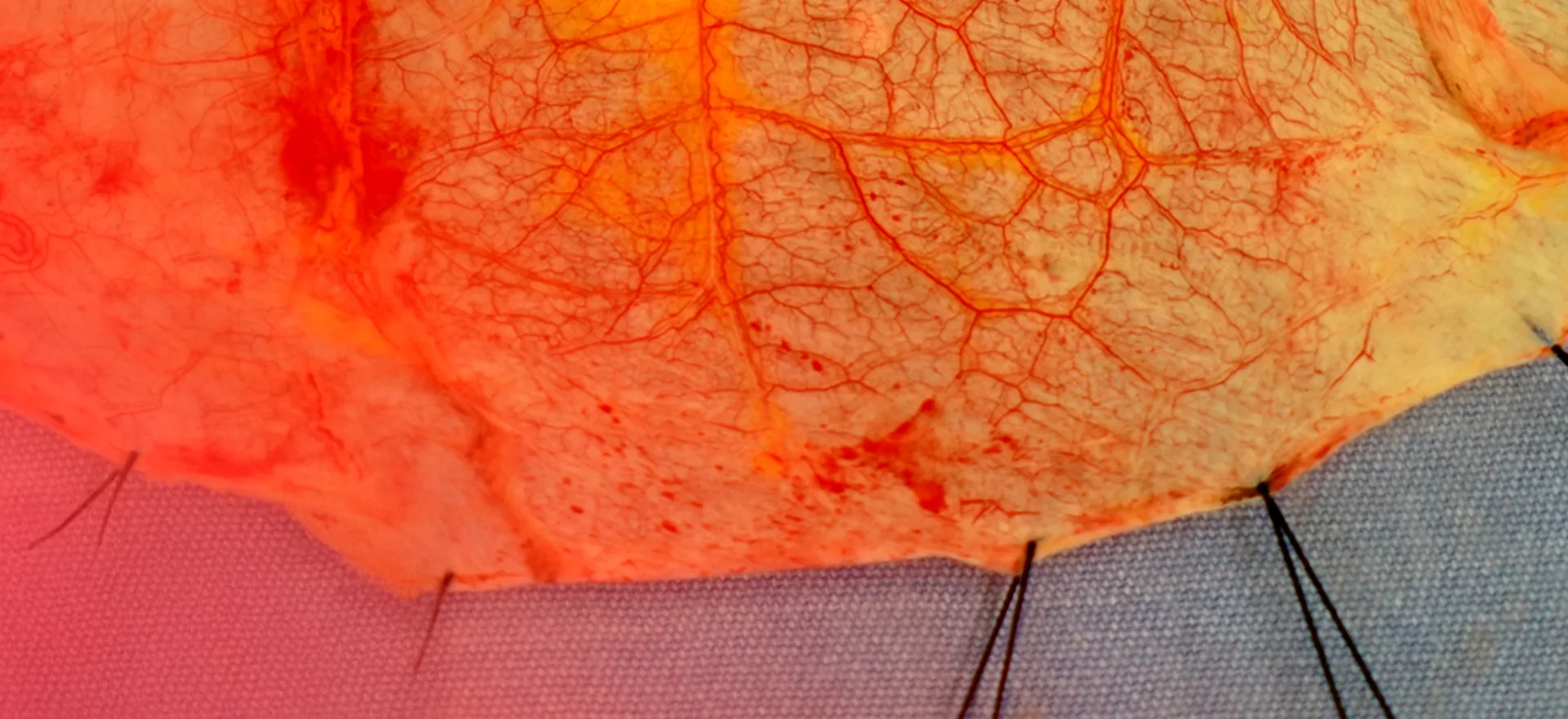
Aortic valve diseases can be treated with a minimally invasive approach using the Ozaki Procedure. Discover the details.
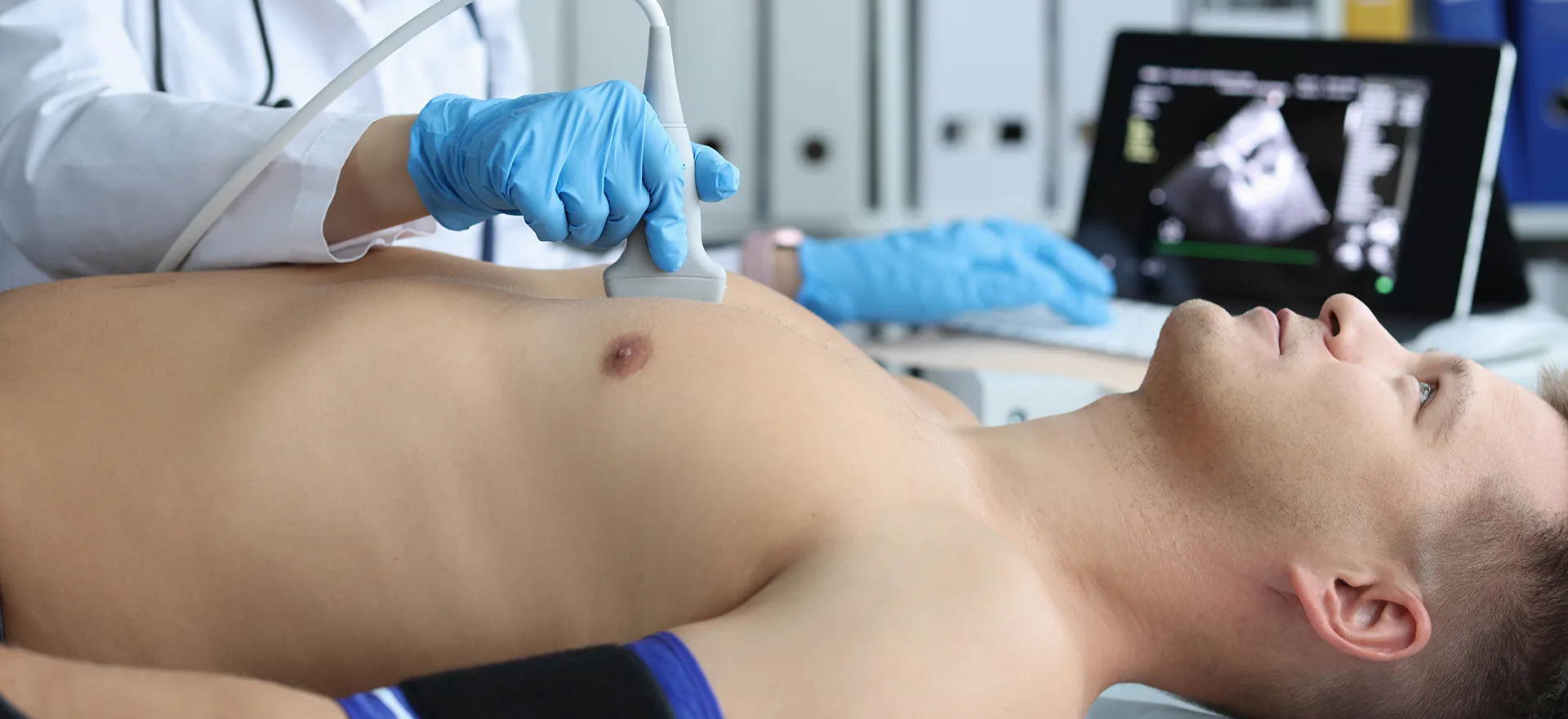
Learn about the Ozaki Procedure and its innovative approach to aortic valve surgery using natural tissue from the patient.
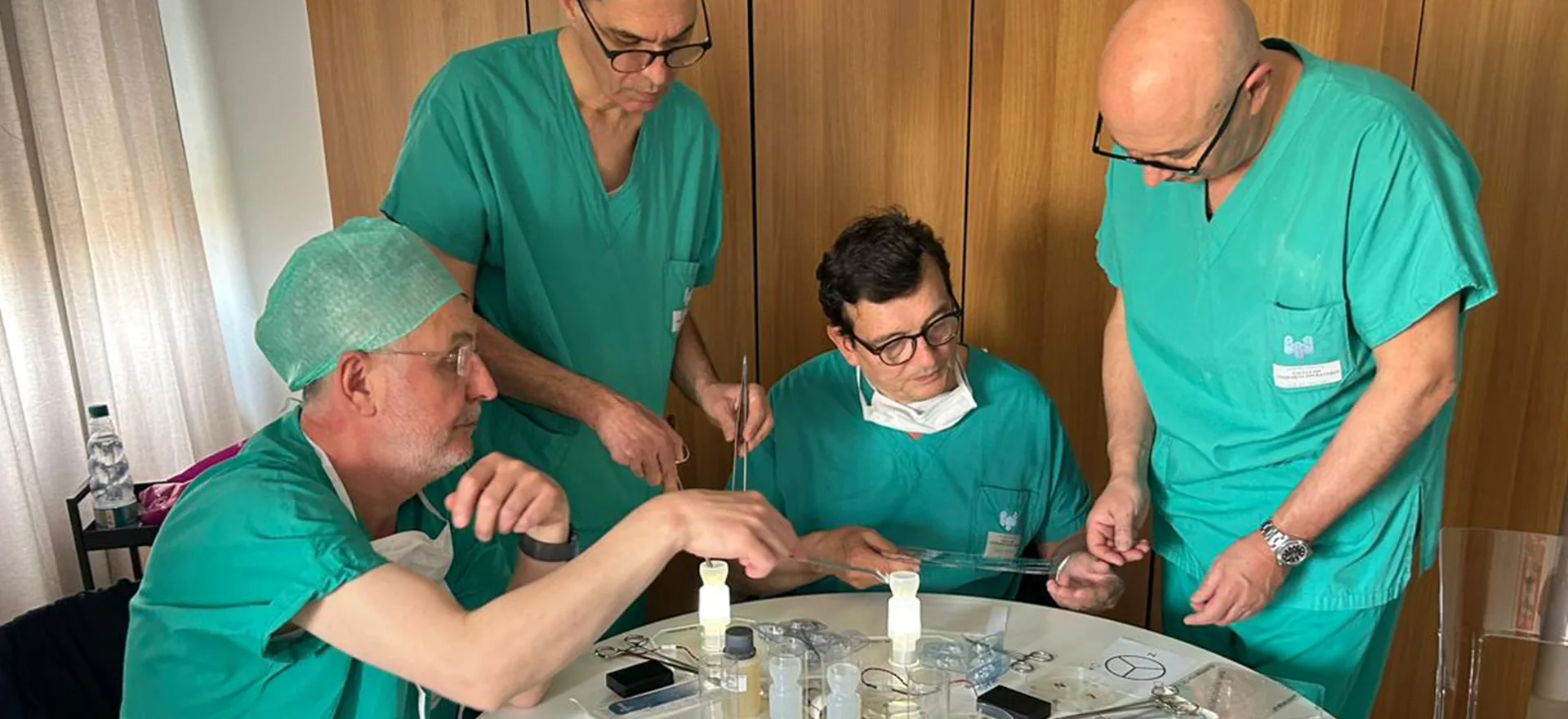
The Ozaki Procedure, which uses the patient’s own tissue, offers a revolutionary approach to aortic valve disease.

To reduce Pulse-Wave velocity (cfPWV), steps should be taken such as regular exercise and weight training, creating a healthy diet program, and regulating blood pressure/sugar with medical treatments.

Pulse wave velocity is a measure of the stiffness of arteries and the elasticity of artery walls. Elevated pulse wave velocity, an important tool for monitoring cardiovascular health, may pose certain potential risks. These risks include:

Pulse-Wave Velocity (cfPWV) provides important information about the risk of heart attack and stroke as it is an indicator of arterial stiffness.
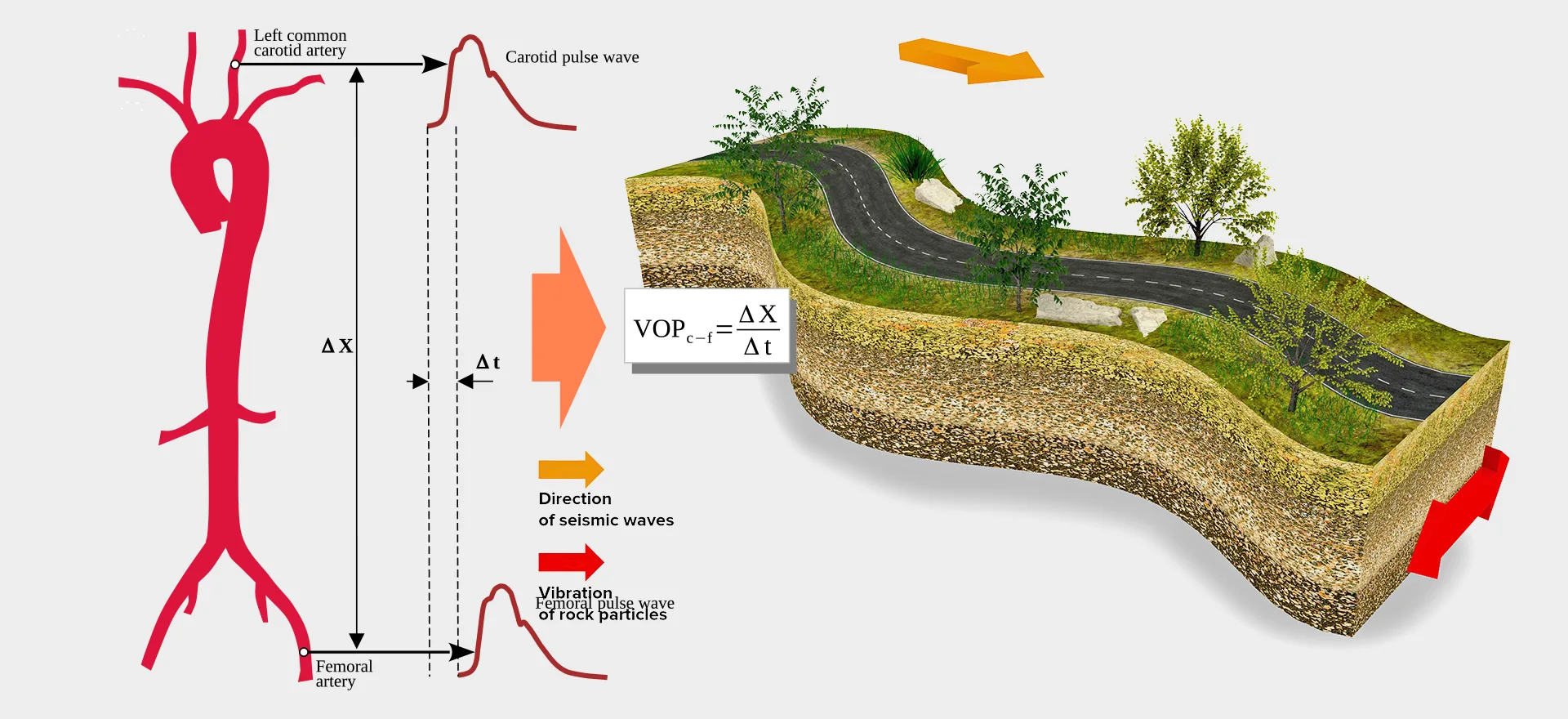
Pulse wave velocity (cfPWV) is an abbreviation for “carotid-femoral pulse wave velocity.” Pulse wave velocity is a parameter that helps measure the stiffness level of blood vessels and the elasticity of large blood vessels in the body.

Pulse-wave velocity (cfPWV= Pulse Wave Velocity) is a measure of the level of stiffness in the vessels and the elasticity of the…
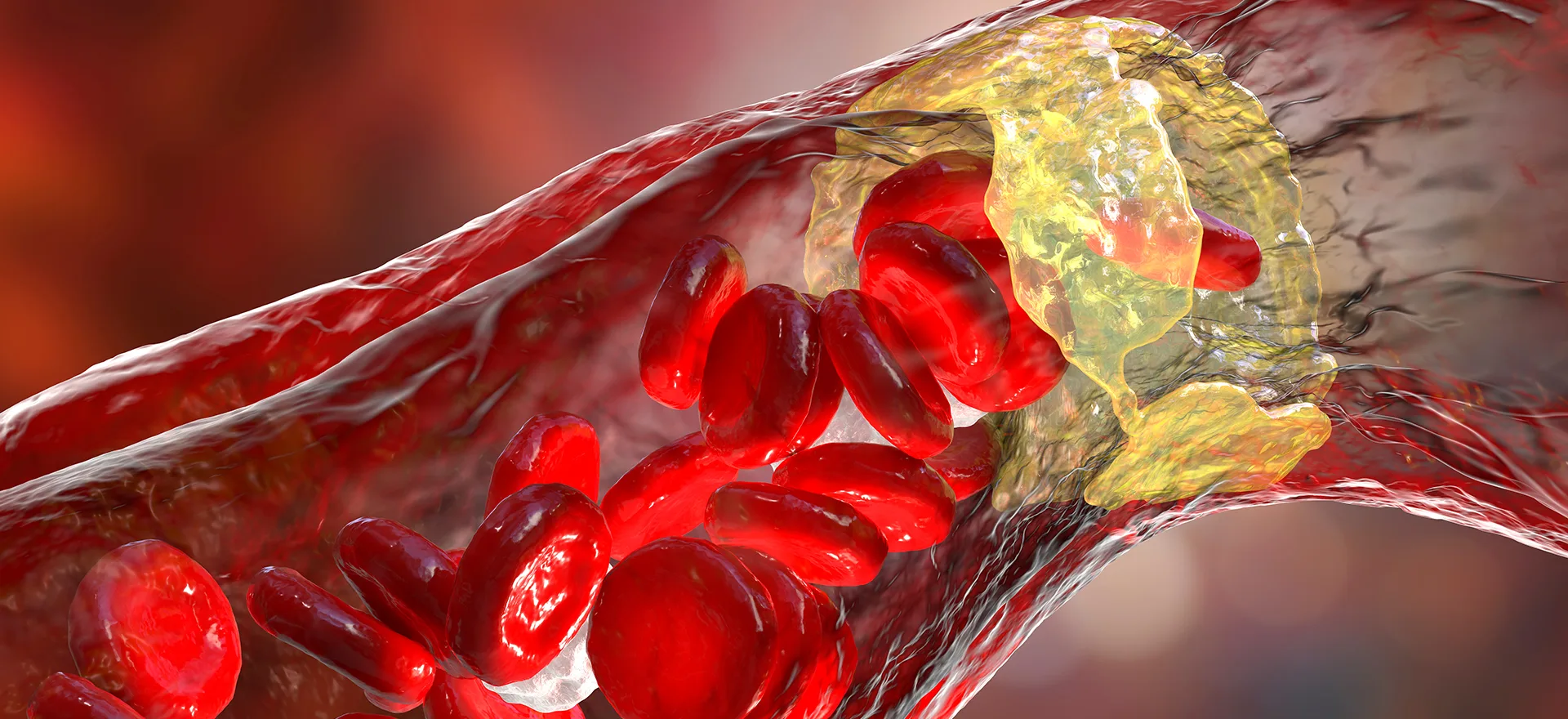
Vascular age is a concept used to assess a person’s arterial health (blood flow in the capillaries).

Arteriosclerosis is the hardening and thickening of the walls of arteries (large blood vessels)…


The ABI test (Ankle-Brachial Index) is a test to assess the state of blood circulation in the legs.

As a result of plaque accumulation and arteriosclerosis in the veins in the legs, the veins become blocked and blood… Click here for detailed information.

The ABI (Ankle-Brachial Index) test determines whether the blood flow of the arteries in the legs is normal. Click here for detailed information.